OTA Revenue Management 101 A Complete Guide
Introduction: Why OTA Knowledge Matters for Independent Hoteliers
As an independent hotel owner, the online travel agency (OTA) landscape can feel overwhelming. Yet, mastering OTA revenue management is one of the quickest ways to increase occupancy, average daily rate (ADR), and overall RevPAR. This guide breaks down the basics, demystifies commission structures, and equips you with actionable strategies that will keep your property competitive in 2025.
What Exactly Are OTAs?
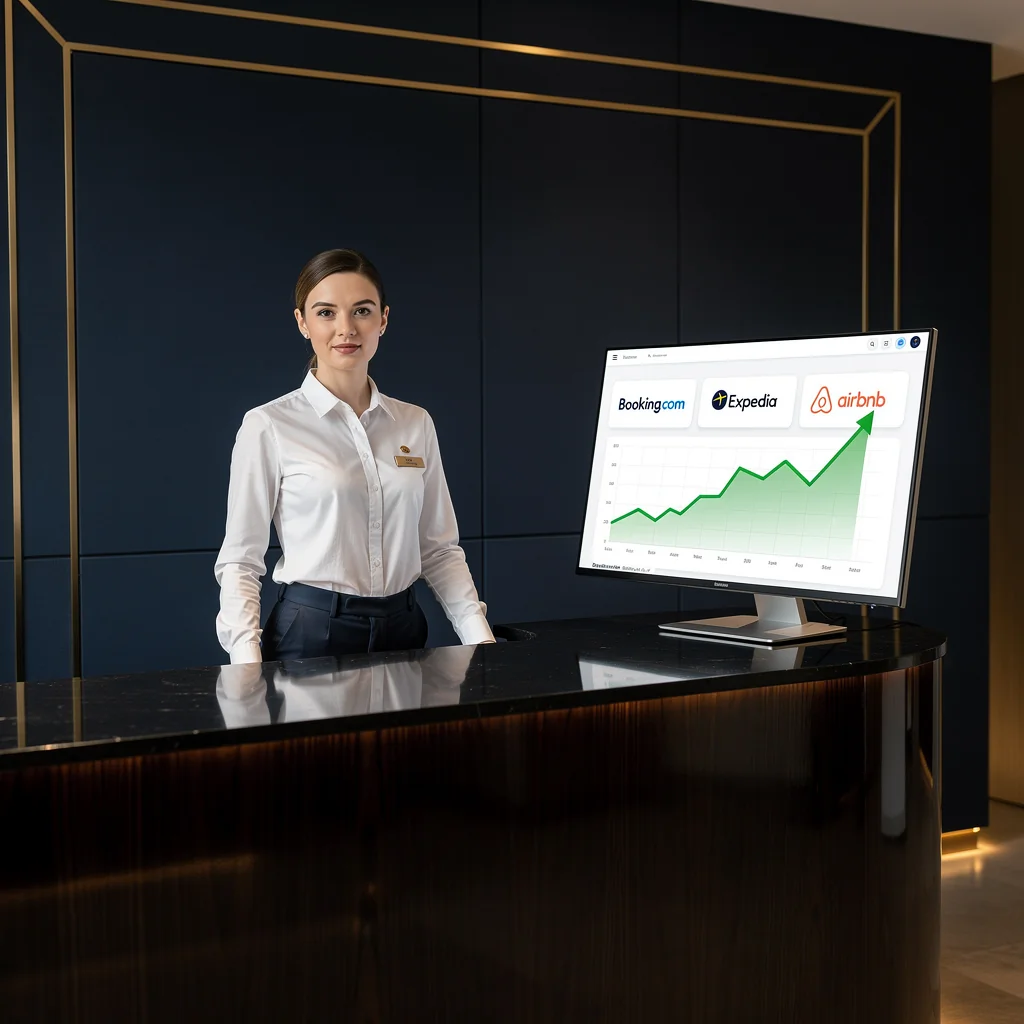
OTAs are third‑party platforms that connect travelers with hotel inventory. The most common names you’ll encounter include Booking.com, Expedia, Agoda, Airbnb, and Trip.com. They act as both marketing channels and booking engines, handling everything from search visibility to payment processing.
For many hotels, OTAs represent the largest share of online bookings, especially for properties without a strong direct booking engine. Understanding how they function is the first step toward taking control of your revenue.
How OTAs Impact Your Revenue
When a guest books through an OTA, the hotel typically pays a commission on the room revenue. This commission reduces the gross revenue you earn from each booking. However, OTAs also drive demand you might not capture otherwise, especially from international travelers or niche market segments.
- Increased Visibility: OTAs rank high on search engines, exposing your property to millions of potential guests.
- Higher Occupancy: Proper OTA exposure can fill rooms during low‑demand periods.
- Commission Cost: Average OTA commissions range from 15% to 25% of the room revenue, directly affecting margin.
Balancing the trade‑off between additional demand and commission cost is the core challenge of OTA revenue management.
Understanding OTA Commission Structures
Commission models differ by market, contract, and OTA. Below are the most common structures you’ll encounter:
- Flat Percentage Commission: A fixed % of the booking value (e.g., 18%). Most common for large OTAs.
- Tiered Commission: The % drops as you achieve higher volume thresholds (e.g., 20% up to 500 rooms, then 18% beyond).
- Commission Plus Fixed Fee: A small fixed fee per booking in addition to a percentage (useful for very low‑rate rooms).
- Hybrid or Incentive‑Based: Some OTAs offer reduced commissions in exchange for higher placement or exclusive inventory.
Negotiating these terms is possible, especially if you have a clear data‑driven case showing your hotel's performance. Our OTA Revenue Management services can help you secure better rates and placement.
Key Optimization Strategies for OTA Channels
Below are the strategic levers you can pull to maximize OTA revenue while protecting margins.
1. Rate Parity & Segmentation
Maintain consistent rates across all channels to avoid penalization by OTAs. Use a channel manager to push identical pricing and inventory to every OTA in real time.
2. Dynamic Pricing
Implement rule‑based or AI‑driven pricing engines that adjust rates based on demand signals, competitor pricing, and booking pace. In 2025, many OTAs provide integrated dynamic pricing tools that can be synchronized with your PMS.
3. Inventory Allocation
Allocate a higher proportion of rooms to OTAs during peak demand periods and shift inventory to direct channels (your website) when demand softens. This balances commission costs with occupancy goals.
4. Content Optimization
High‑quality photos, detailed descriptions, and updated amenities improve click‑through rates. Encourage guests to leave authentic reviews; positive review scores can boost rankings on OTA search results.Use Hospitality Tech Recommendation & Implementation to select the best OTA integration tools.
5. Commission Auditing
Regularly audit OTA statements to ensure you are being charged the contracted commission rate. Hidden fees (e.g., transaction fees, marketing fees) can erode profit.
Best Practices for OTA Revenue Management in 2025
Technology and traveler behavior are evolving rapidly. Keep your OTA strategy future‑proof with these 2025‑focused practices:
- AI‑Enhanced Demand Forecasting: Leverage AI models that ingest booking patterns, local events, and macro‑economic data to predict demand more accurately than manual forecasts.
- Unified Data Dashboard: Consolidate OTA performance data with PMS and CRS metrics in a single dashboard. This provides a holistic view of RevPAR, commission‑adjusted RevPAR (CARR), and channel contribution.
- Mobile‑First OTA Management: OTA partner apps now allow on‑the‑go rate changes. Ensure your team can respond quickly to last‑minute market shifts.
- Personalized Guest Offers: Use OTA guest profiles to create targeted promotions (e.g., early‑bird discounts, loyalty packages) that drive higher ADR.
- Regulatory Compliance: Stay updated on data‑privacy regulations (GDPR, CCPA) that affect OTA data sharing.
Action Plan: 6‑Step Quick Start for Hotel Owners
- Audit Current OTA Mix: Identify every OTA you are listed on, commission rates, and performance metrics.
- Implement a Channel Manager: Choose a solution that syncs rates, inventory, and restrictions instantly.
- Set Up Dynamic Pricing Rules: Base rules on occupancy thresholds (e.g., 70% occupancy triggers a 5% rate increase).
- Optimize Content: Update photos, add local attractions, and solicit reviews.
- Negotiate Commissions: Use your audit data to ask for tiered or incentive‑based rates.
- Monitor Weekly: Review OTA performance dashboards and adjust rates/inventory as needed.
Need expert help implementing this plan? Our Revenue Consulting services specialize in data‑driven OTA optimization for independent hotels.
Conclusion
Understanding the OTA ecosystem, mastering commission structures, and applying data‑driven optimization strategies are essential for any independent hotel looking to grow revenue in 2025 and beyond. By following the steps outlined in this guide and partnering with a seasoned consultancy like HotelRevBaBa, you can turn OTA channels from a cost center into a powerful revenue engine.