Why Your Hotel Dynamic Pricing Tool Is Failing You and How to Fix It for Maximum Yield and Automated Revenue Optimization
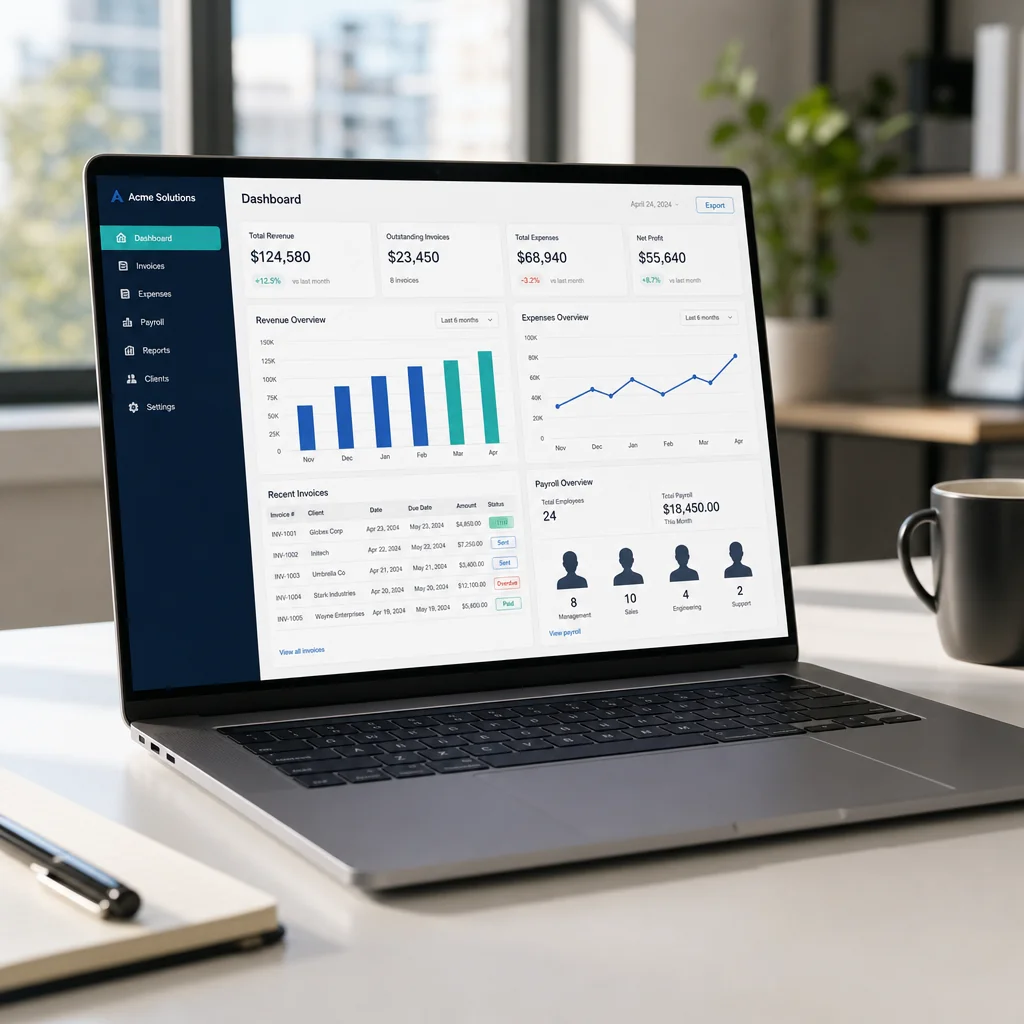
Dynamic pricing tools promise real‑time rate adjustments, AI‑driven forecasts, and higher RevPAR. Yet many hotel owners and revenue managers find that the software delivers mixed results – often leaving revenue on the table. In this post, Sunil Singh breaks down the common pitfalls, outlines a proven 5‑pillar framework, and provides a step‑by‑step 90‑day roadmap to automate your pricing for maximum yield.
Why Your Dynamic Pricing Tool Might Be Failing You
Before you blame the technology, consider these six hidden reasons why the tool could be under‑performing:
- Data Silos: Incomplete or inaccurate data from your PMS, OTA channels, or booking engine feeds the RMS with the wrong inputs.
- Wrong Market Segmentation: The tool treats all demand as a single pool, ignoring distinct segments such as corporate, leisure, group, and ancillary.
- Static Rule Sets: Many RMS platforms rely on static pricing rules that don’t adapt to rapid market shifts (e.g., sudden events, pandemic‑related travel bans).
- Insufficient Competitive Intelligence: Without real‑time competitor rate scraping, the system can’t position you correctly against your local market.
- Lack of Human Oversight: Automation without periodic audit leads to drift – the system may start ‘learning’ the wrong patterns.
- Misaligned KPI Priorities: Focusing solely on ADR or occupancy can cause the tool to sacrifice overall RevPAR.
Addressing these root causes is the first step toward a high‑performing dynamic pricing engine.
The 5‑Pillar Framework for a Successful Dynamic Pricing Strategy
Think of the framework as the blueprint that aligns technology, data, and people. Each pillar must be strong before you can automate effectively.
1. Data Integrity & Integration
Ensure seamless, bi‑directional flow between your PMS, RMS, and OTA channels. Key data points include:
- Room inventory levels per market segment.
- Historical booking patterns (at least 12 months).
- Rate parity data across OTAs.
- Guest‑level insights (length of stay, purpose of travel).
Invest in an integration layer or a cloud‑based middleware that validates data in real time.
2. Market Segmentation & Persona Mapping
Develop distinct pricing buckets for:
- Corporate & business travelers.
- Leisure & weekend guests.
- Group & event bookings.
- Ancillary‑focused guests (e.g., spa, food‑and‑beverage packages).
Each segment should have its own pricing rules, elasticity curves, and minimum ADR thresholds.
3. Competitive Intelligence Engine
Deploy a dedicated competitor‑tracking tool that pulls daily rate data, inventory levels, and promotions from your top 5‑10 local rivals. Feed this intelligence directly into the RMS so the algorithm can adjust rates in line with market dynamics.
4. Automated Rule Engine with Human Oversight
Configure dynamic rules that balance automation with manual checkpoints:
- Automated rate changes for low‑impact days (e.g., standard weekdays).
- Manual review triggers for high‑impact events (e.g., festivals, government holidays).
- Weekly performance alerts to the revenue manager.
This hybrid approach prevents ‘runaway’ pricing while still capturing efficiency gains.
5. KPI‑Driven Optimization Loop
Measure success against a core set of KPIs:
- RevPAR growth (primary).
- ADR vs. competitor ADR (relative).
- Occupancy elasticity (percentage change per price move).
- Booking lead‑time distribution.
- Direct vs. OTA booking share.
Use these metrics to refine rule parameters every 30 days.
Best Practices for RMS Optimization
Even the most advanced RMS will under‑perform without disciplined processes. Follow these best practices:
- Daily Data Refresh: Schedule nightly uploads of room inventory and bookings to keep forecasts current.
- Quarterly Elasticity Re‑calibration: Use a rolling 90‑day window to re‑estimate price elasticity for each segment.
- Scenario Testing: Run ‘what‑if’ simulations before major events (conference, peak season) to gauge revenue impact.
- Audit Trail: Keep a log of rule changes, overrides, and their outcomes for continuous learning.
- Team Alignment: Ensure sales, marketing, and front‑desk teams understand the pricing logic – alignment prevents unintentional rate overrides.
90‑Day Automation Roadmap
Below is a practical, day‑by‑day roadmap that turns the 5‑pillar framework into an automated revenue engine. Adjust the timeline based on property size and existing technology maturity.
Phase 1 – Days 1‑15: Data Foundation
- Audit current data sources (PMS, CRS, OTA dashboards).
- Map data fields to RMS requirements; document gaps.
- Implement a middleware connector (or use the RMS’s native API) for real‑time data sync.
- Run a data‑validation script; flag missing or inconsistent records.
Phase 2 – Days 16‑30: Segmentation & Rule Building
- Define the primary market segments and assign historical booking data.
- Create baseline pricing rules for each segment (e.g., minimum ADR, occupancy thresholds).
- Set up automated alerts for rule violations (e.g., ADR below minimum for 3 consecutive nights).
Phase 3 – Days 31‑45: Competitive Intelligence Integration
- Subscribe to a competitor rate‑scraping service or configure a custom scraper.
- Integrate competitor data feed into the RMS; test rate adjustments on a sandbox property.
- Validate that price parity rules are enforced across OTA channels.
Phase 4 – Days 46‑60: Automated Rule Engine Activation
- Enable automated rate changes for low‑risk dates (e.g., standard weekdays).
- Program manual review triggers for high‑impact dates (holidays, local events).
- Launch weekly performance dashboard for the revenue manager.
Phase 5 – Days 61‑75: KPI Monitoring & Optimization
- Track the core KPIs outlined earlier; compare against pre‑implementation baselines.
- Adjust elasticity coefficients and rule thresholds based on real‑world performance.
- Conduct a mid‑point audit; document wins and areas for improvement.
Phase 6 – Days 76‑90: Full Automation & Ongoing Governance
- Roll out full automation for all low‑risk pricing windows.
- Establish a governance board (Revenue Manager, Sales Lead, Tech Ops) to meet monthly and review algorithm outcomes.
- Finalize the documentation of the 5‑pillar framework for future staff onboarding.
By the end of the 90‑day cycle, your dynamic pricing tool should be delivering consistent RevPAR lifts, reduced OTA commission leakage, and a clear path to continued automation.
Conclusion: Turn Your RMS Into a Competitive Advantage
Dynamic pricing is not a set‑and‑forget technology; it requires solid data, smart segmentation, vigilant competitive intel, and a hybrid rule engine that balances automation with human insight. Follow the 5‑pillar framework and the outlined 90‑day roadmap, and you’ll transform a struggling tool into a revenue‑generating powerhouse.
Ready to audit your current system or need hands‑on help implementing the roadmap? Book a consultation with Sunil Singh today and start maximizing your hotel’s yield.