Using Channel Manager Data to Drive Dynamic Pricing and Maximize RevPAR
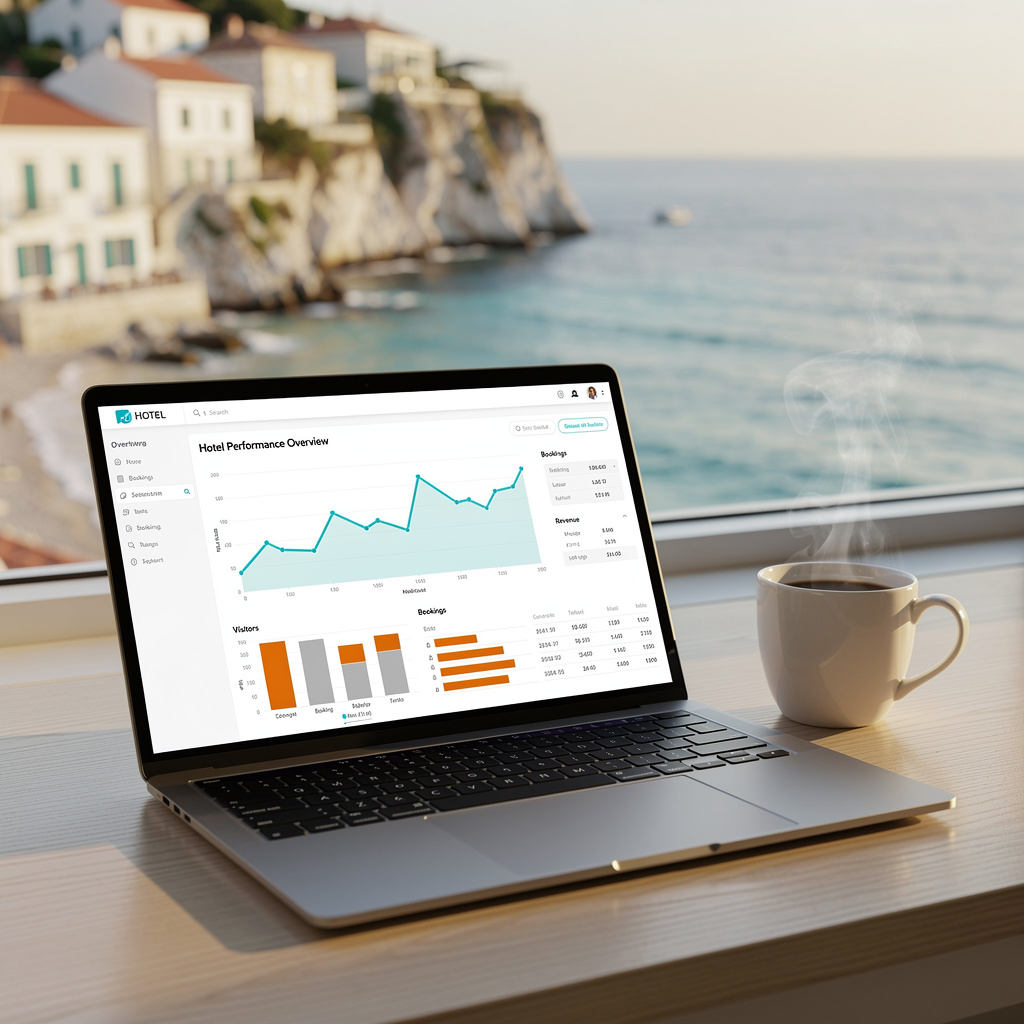
In today’s hyper‑connected hospitality landscape, a channel manager is more than a distribution tool—it’s a data engine that fuels revenue‑optimisation strategies. This post explains how to turn the flood of inventory and rate information from your channel manager into actionable pricing decisions that increase occupancy, ADR, and ultimately RevPAR.
Why Channel Manager Data Matters
Every OTA, GDS, and direct booking channel feeds real‑time availability and rate data back to your channel manager. Consolidating this data gives you a single source of truth for:
- Current market demand across all distribution channels
- Competitor rate movements captured via OTA scrape tools
- Booking pace and channel‑specific conversion metrics
A channel manager aggregates real‑time inventory and rate data across OTA platforms, enabling hotels to adjust prices instantly.
When you analyse these signals daily—or even hourly—you can identify pricing gaps before your competitors do.
Key Data Points to Feed Your Dynamic Pricing Engine
1. Booking Window Distribution
Understanding how far in advance guests book on each OTA helps you set early‑bird discounts or last‑minute surcharges. Look for patterns such as:
- High‑value corporate bookings that appear 30‑45 days ahead
- Leisure travelers who tend to book 7‑14 days before arrival
2. Channel‑Specific Conversion Rates
Not all OTAs convert equally. By tracking the conversion rate (visits ÷ bookings) per channel, you can allocate more inventory to higher‑performing sites and apply strategic rate parity.
3. Competitor Rate Benchmarks
Most modern PMS and RMS platforms pull competitor pricing into the channel manager dashboard. Use these benchmarks to set a “price ceiling” and “price floor” that protect your market share without sacrificing profit.
Dynamic pricing uses demand signals from channel manager feeds to set the optimal room rate each night.
Step‑by‑Step Workflow: From Data to Price
- Export Data Daily: Pull the latest channel manager report (CSV or API) each morning.
- Analyse Trends: Use a simple spreadsheet or a revenue‑management system to calculate average booking windows, occupancy forecasts, and competitor price gaps.
- Set Rules: Define pricing rules (e.g., if occupancy < 60% and competitor ADR is $120, raise rate by 5%).
- Update Rates: Push the new rates back to the channel manager, which instantly syncs with all OTAs.
- Monitor Performance: Track the impact on RevPAR and adjust rules weekly.
Practical Tips for Maximising Impact
- Segment by Room Type: Luxury suites often respond better to dynamic pricing than standard rooms.
- Leverage Day‑of‑Stay Pricing: Apply higher rates for high‑demand dates (e.g., local events, holidays) and lower rates for shoulder periods.
- Maintain Rate Parity: Ensure your OTA rates match your direct booking engine to avoid penalties from OTAs.
- Integrate with a Revenue Management System (RMS): An RMS can automate rule creation and provide forecasting analytics.
Case Study: Boutique Hotel Increases RevPAR by 12%
A 75‑room boutique hotel in Goa used its channel manager data to introduce a dynamic pricing rule based on occupancy thresholds. By raising rates 8% when occupancy exceeded 70% and offering a 5% early‑bird discount for bookings 30+ days out, the hotel saw:
- Average Daily Rate (ADR) rise from $110 to $122
- Occupancy improve from 68% to 73%
- RevPAR climb from $75 to $89 (≈12% increase)
Read more about how data‑driven OTA strategies boost revenue in our post How Data Driven OTA Strategies Boost Hotel Revenue.
Common Pitfalls to Avoid
Even with the best data, certain mistakes can erode profits:
- Over‑reacting to Short‑Term Spikes: A sudden surge on one OTA may be a temporary promotion—avoid drastic rate changes.
- Neglecting Direct Bookings: Relying solely on OTA data can blind you to the higher margins of direct traffic.
- Ignoring Commission Costs: Factor OTA commissions into your pricing rules; otherwise, you may underprice your rooms.
Next Steps: Turn Insight into Action
If you’re ready to embed channel manager data into a dynamic pricing engine that drives RevPAR, book a free consultation with Sunil Singh. Our OTA Revenue Management pillar will help you design, implement, and optimise a data‑centric pricing strategy tailored to your property.
For a deeper dive into auditing your revenue streams, see our guide Revenue Audits Explained How to Find Hidden Profit Gaps.