The Future of Hotel Revenue Management AI and Machine Learning Trends
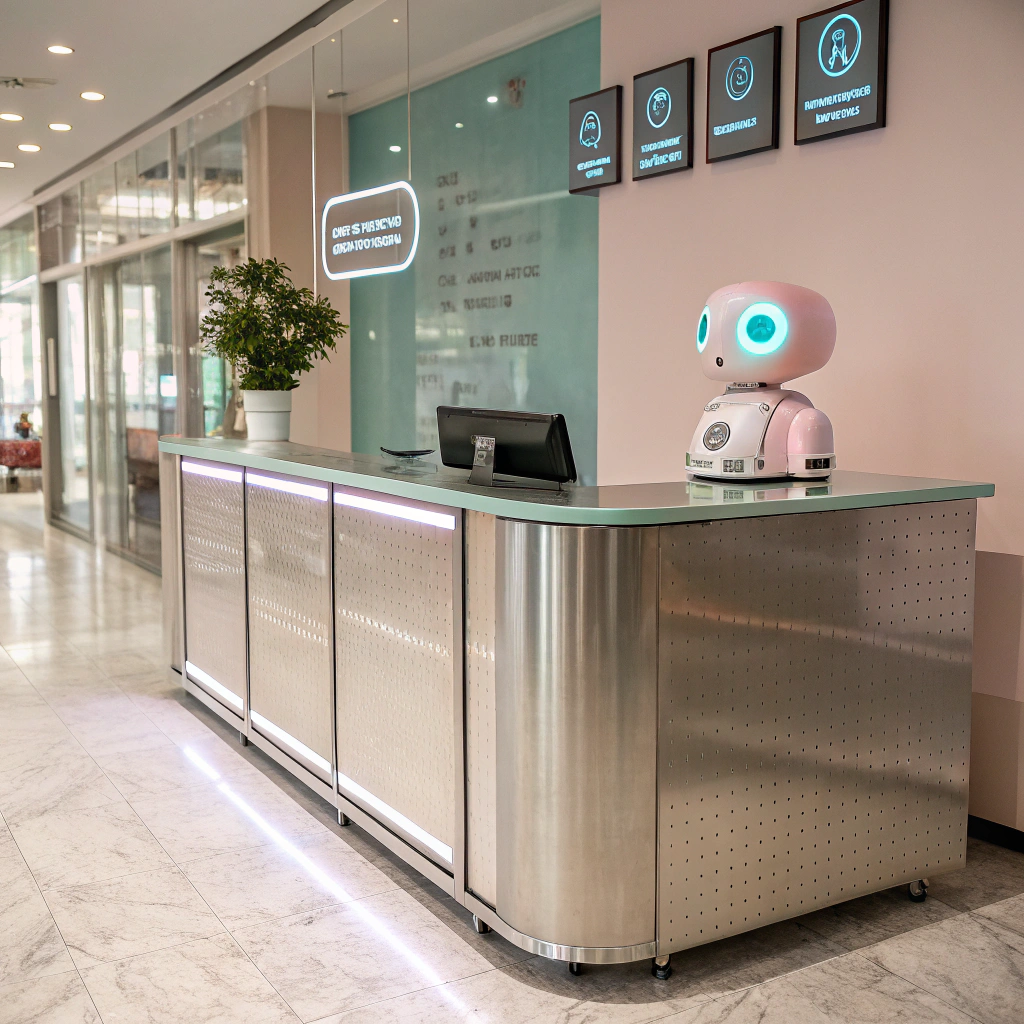
The hospitality landscape is evolving faster than ever, and artificial intelligence (AI) is at the forefront of this transformation. Sunil Singh examines the most impactful AI trends that are redefining revenue management and provides a roadmap for hotels to adopt these technologies effectively.
1. Predictive Pricing Engines
Modern AI pricing engines go beyond historical data. They ingest real‑time market signals—competitor rate changes, local events, weather forecasts, and even social media sentiment—to generate price recommendations every few minutes.
Key benefits include:
- Increased price accuracy (average deviation < 1% from optimal price).
- Faster response to market shifts, reducing revenue leakage.
- Scalable across multiple properties without additional staffing.
2. Demand Forecasting with Machine Learning
Traditional demand forecasts rely on linear regression. Machine learning models (e.g., Gradient Boosting, LSTM neural networks) capture non‑linear relationships and seasonality more effectively.
Implementation steps:
- Gather historical booking data, local event calendars, macro‑economic indicators.
- Train the model using a cloud‑based platform (AWS SageMaker, Google AI Platform).
- Validate forecast accuracy against a hold‑out sample.
- Integrate predictions into the RMS for automated rate adjustments.
3. Personalized Guest Pricing
AI enables hyper‑personalized pricing based on guest profile, loyalty status, and booking behavior. By segmenting guests into clusters, hotels can offer tailored rate packages that increase willingness to pay.
Example: A repeat leisure traveler who typically books 30 days in advance may receive a “Early‑Bird Plus” package with a complimentary spa credit, while a corporate guest on a short lead‑time receives a “Business Flex” rate with free cancellation.
4. Real‑Time Commission Optimization
AI can continuously evaluate OTA commission structures, recommending renegotiations or inventory reallocation when a channel’s CPA exceeds a predefined threshold.
Dynamic commission dashboards flag high‑cost OTAs, allowing revenue managers to shift inventory to lower‑cost direct channels or negotiate volume‑based discounts.
5. Automated Revenue Audits
Machine learning models can detect anomalies in revenue data—such as unexpected spikes in cancellations or mismatched rates—without manual review.
Automated alerts trigger detailed audit workflows, reducing the time to identify and correct revenue gaps from weeks to hours.
6. Voice‑Enabled Revenue Insights
With the rise of AI assistants (e.g., Amazon Alexa for Business), revenue managers can query performance metrics via voice commands. "Alexa, what was our RevPAR yesterday?" becomes a quick, hands‑free check that speeds decision‑making.
Implementing AI: A Step‑by‑Step Playbook
Adopting AI doesn’t have to be overwhelming. Follow this phased approach:
- Assess Data Readiness: Ensure clean, centralized data in a data lake or warehouse.
- Start Small: Pilot a predictive pricing engine on a single market segment.
- Integrate: Connect AI outputs to your RMS and channel manager via API.
- Train Staff: Provide workshops on interpreting AI recommendations.
- Scale: Roll out successful pilots across all properties and add additional AI modules (guest personalization, commission optimization).
Challenges and Mitigation Strategies
While AI offers huge upside, hoteliers should be aware of common pitfalls:
- Data Quality: Inaccurate data leads to garbage‑in‑garbage‑out. Conduct regular data audits.
- Change Management: Staff may resist automated decision‑making. Involve them early and emphasize that AI augments, not replaces, expertise.
- Cost Considerations: Cloud AI services are pay‑as‑you‑go, but budgeting for experimentation is essential.
Case Example: A Regional Hotel Chain
Sunil Singh guided a 12‑property chain through an AI pricing pilot. Results after six months:
- RevPAR increase of 9% across the portfolio.
- Commission cost reduction of 4% through dynamic OTA reallocation.
- Guest satisfaction uplift of 3 points due to personalized packages.
Future Outlook
Looking ahead, AI will become more prescriptive, offering not just "what to do" but "why" and "when" to act. Integration with property IoT (smart thermostats, room service robots) will create new revenue streams, while advanced analytics will enable hotels to predict market disruptions before they happen.
Take the AI Leap Today
Are you ready to harness AI for smarter revenue management? Book a complimentary AI readiness assessment with Sunil Singh to evaluate your data infrastructure, identify quick‑win opportunities, and design a customized AI implementation roadmap.