Maximizing Direct Bookings Reduce OTA Dependency and Boost Hotel Margins
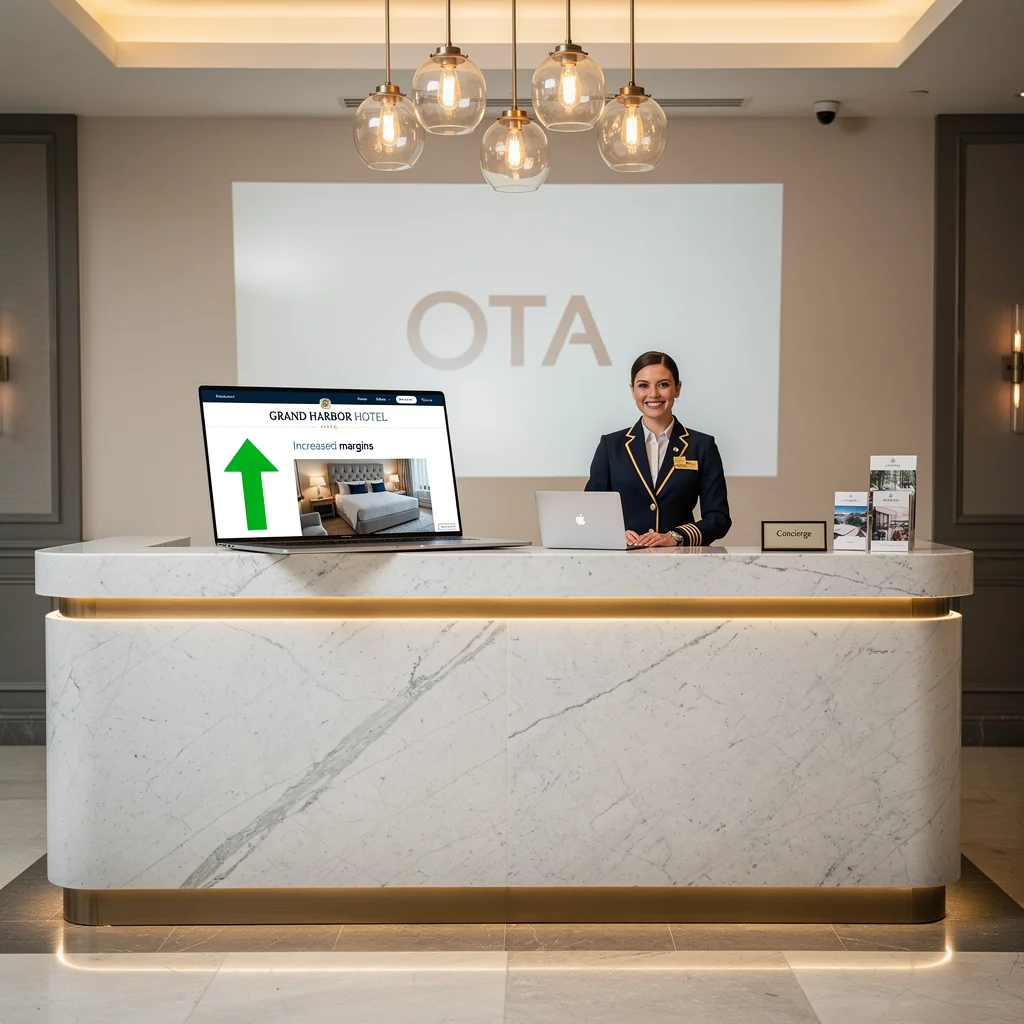
In today's hyper‑connected hospitality landscape, the temptation to rely heavily on Online Travel Agencies (OTAs) is stronger than ever. While OTAs can deliver immediate exposure, the commissions they charge—often ranging from 15% to 25% of each reservation—can erode profit margins and dilute brand equity. This post dives deep into a data‑driven, actionable roadmap that helps hotel owners and revenue managers shift the balance toward direct bookings, reduce OTA dependency, and ultimately boost margins.
Why Direct Bookings Matter in 2024
Direct bookings are not just a vanity metric. They translate into higher gross operating profit per available room (GOPPAR) because they eliminate third‑party commissions, give you full control over guest data, and open the door to personalized loyalty programs. Moreover, guests who book directly tend to have lower cancellation rates and higher average length of stay (ALOS), which positively impacts RevPAR.
> **Definition:** Direct booking – a reservation made through the hotel’s own website, phone line, or in‑person desk, without the involvement of an OTA.Understanding the Cost of OTA Dependency
When an OTA drives a reservation, the hotel incurs not only the commission but also an increased guest acquisition cost (GAC). OTA platforms charge for visibility, and that cost is passed to you through higher commission rates. In addition, you lose the opportunity to capture valuable first‑party data that can be used for upselling, cross‑selling, and building long‑term brand loyalty.
> **Actionable Tactic #1:** Conduct a monthly audit of OTA commissions versus revenue generated. Identify the channels where the commission exceeds 20% of the room revenue and set a target to shift at least 10% of those bookings to direct channels within 90 days.Building a Robust Channel Distribution Strategy
A successful reduction of OTA dependency starts with a well‑structured channel distribution strategy. This involves:
- Segmentation: Classify rooms and rate plans into OTA‑exclusive, hybrid, and direct‑only categories.
- Rate Parity Management: Ensure that your best rates are always visible on your own site; use a “best‑rate guarantee” banner to reassure guests.
- Technology Enablement: Leverage a channel manager that synchronizes inventory and pricing across all distribution points in real time.
Step‑by‑Step Implementation
- Step 1 – Audit Current Mix: Pull data from your PMS and OTA dashboards to calculate the percentage of bookings originating from each OTA.
- Step 2 – Create Direct‑Only Incentives: Offer loyalty points, complimentary upgrades, or free Wi‑Fi for guests who book through your website.
- Step 3 – Optimize Landing Pages: Ensure your website loads in under 2 seconds, is mobile‑responsive, and prominently displays a “Book Now” call‑to‑action (CTA).
- Step 4 – Deploy a Booking Engine: Integrate a secure, GDPR‑compliant engine that accepts multiple payment methods and allows instant confirmation.
- Step 5 – Promote via Email & Social: Use segmented email campaigns to drive repeat guests to your direct channel.
Leveraging Guest Data for Brand Loyalty
When guests book directly, you capture their email, preferences, and stay history. This first‑party data is a goldmine for building brand loyalty. By segmenting guests based on stay frequency, spend, and preferences, you can deliver hyper‑personalized offers that boost repeat business and increase the lifetime value of each guest.
> **Definition:** Brand loyalty – the propensity of guests to return to the same hotel brand based on positive experiences, rewards, and personal relevance.Practical Loyalty Tactics
- Implement a tiered loyalty program that rewards direct bookings with points redeemable for room upgrades.
- Send post‑stay surveys via your own email system to gather feedback and drive future direct bookings.
- Use CRM automation to trigger “welcome back” emails offering exclusive rates for the next stay.
Mitigating Cancellation Rates Through Direct Channels
OTAs often allow free cancellations up to a certain date, which can inflate cancellation rates. Direct bookings give you the flexibility to apply stricter cancellation policies or to require a pre‑authorization, reducing the likelihood of no‑shows.
> **Actionable Tactic #3:** Offer a discounted “non‑refundable” rate that is 5‑10% lower than the standard flexible rate. Highlight the savings and the guarantee of a confirmed reservation.Measuring Success – KPI Dashboard
Transitioning to a direct‑booking focus requires continuous monitoring. Build a KPI dashboard that tracks:
- Direct Booking Share: Percentage of total bookings that are direct.
- Average Guest Acquisition Cost: Total marketing spend divided by number of direct bookings.
- Cancellation Rate: Compare OTA‑originated cancellations vs. direct cancellations.
- Revenue per Available Room (RevPAR): Measure the impact on overall profitability.
- Brand Loyalty Index: Guest repeat rate and loyalty points redemption.
Integrating with HotelRevBaBa Services
Our OTA Revenue Management services are designed to help you execute the strategies outlined above. From channel manager implementation to data‑driven pricing audits, we provide the expertise you need to shift the revenue mix toward higher‑margin direct bookings.
Ready to Boost Your Margins?
Direct bookings are a strategic lever that can transform your bottom line. By aligning your channel distribution strategy, optimizing guest acquisition costs, and fostering brand loyalty, you can reduce OTA dependency, lower cancellation rates, and increase profitability.
Take the first step today. Contact us for a complimentary revenue audit and discover how HotelRevBaBa can help you maximize margins through direct bookings.