How to Spot Overpriced Hotels and Get Real Value
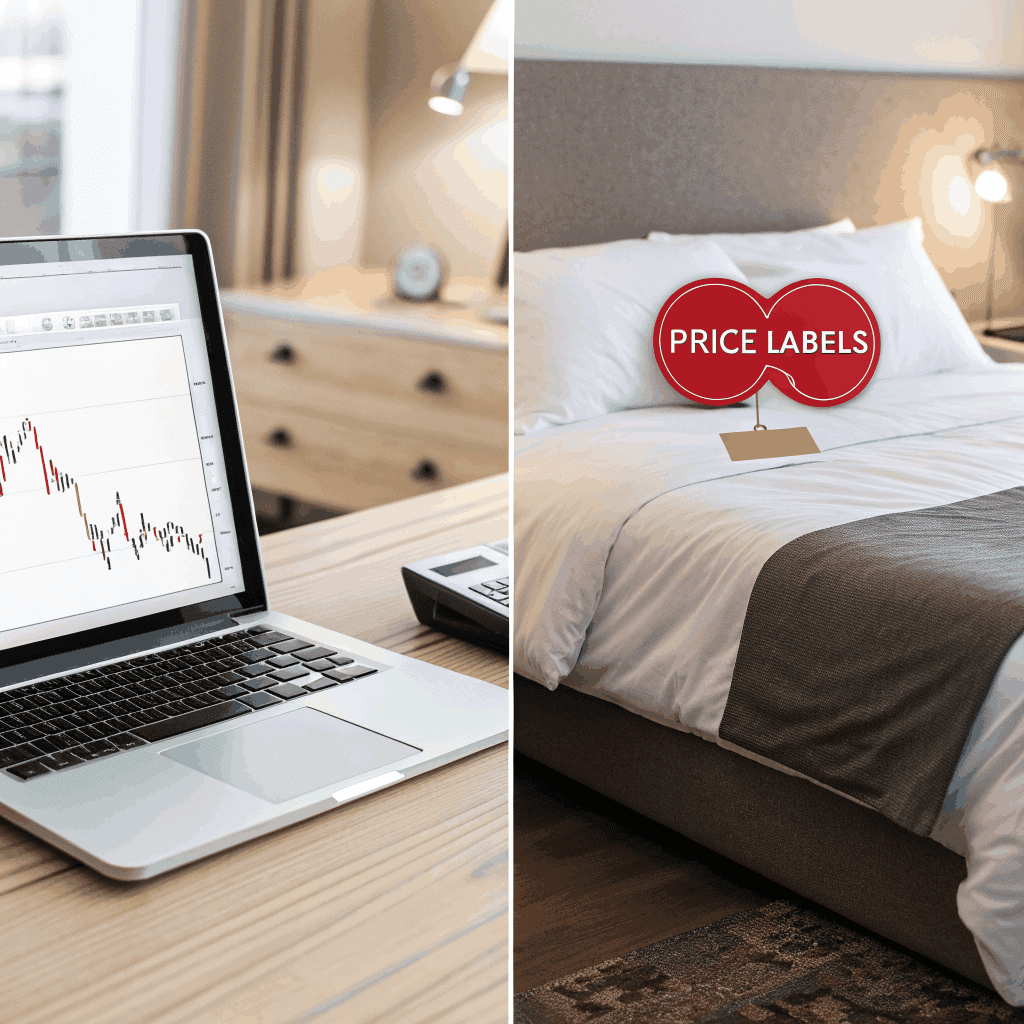
Travelers and property investors alike often wonder whether the nightly rate they see online reflects true market value. Overpriced hotels can erode profit margins for owners and waste budgets for guests. In this guide, we break down the key signals that reveal inflated pricing, provide regional benchmarks for major markets, and show you how to secure the best possible rate.
Why Hotel Prices Can Appear Inflated
Several factors can push rates above the average market level:
- Brand Premiums: International chains charge a brand surcharge that may not match local demand.
- Seasonal Peaks: During festivals or high‑tourist seasons, OTA algorithms automatically raise prices.
- Limited Competition: In niche destinations, fewer hotels mean less price pressure.
- Poor Revenue Management: Inaccurate forecasting or outdated pricing tools lead to guesswork rather than data‑driven rates.
Step‑by‑Step Checklist to Spot Overpriced Hotels
1. Compare ADR Across the Same Segment
Average Daily Rate (ADR) is the cornerstone metric. Pull ADR data from at least three comparable hotels (same star level, size, and location). If a property consistently charges 15‑20% higher, it warrants deeper analysis.
2. Use Benchmarking Tools
Platforms such as STR, RevPAR Guru, or local tourism boards publish quarterly benchmarks. Match your target hotel’s ADR, RevPAR, and occupancy against these figures.
3. Examine OTA Price Parity
Check the hotel’s rate on multiple OTAs (Booking.com, Agoda, Expedia). Large discrepancies suggest manual overrides or commission padding that inflate the retail price.
4. Look for Hidden Fees
Some hotels add resort fees, taxes, or service charges after the initial price is displayed. Always calculate the final amount before booking.
5. Review Guest Reviews for Value Perception
Read recent reviews on TripAdvisor or Google. Consistent complaints about “price not matching experience” are a red flag.
Regional Value Benchmarks
Below are average ADR ranges for mid‑scale hotels (3‑4 stars) in key markets. Use these as quick reference points when evaluating a property’s price.
| Country / Region | Average ADR (USD) | Peak Season Increase |
|---|---|---|
| India (Delhi/Mumbai) | $90 – $130 | +25% during festivals |
| United Kingdom (London) | $150 – $210 | +30% in summer |
| Thailand (Bangkok) | $80 – $120 | +20% during Songkran |
| Kenya (Nairobi) | $100 – $140 | +15% during safari season |
| Tanzania (Zanzibar) | $120 – $170 | +20% in high‑season |
| Maldives | $250 – $350 | +35% during holidays |
| Philippines (Manila) | $90 – $130 | +20% in December‑January |
Negotiating a Better Rate
Once you’ve identified an over‑priced property, use these tactics to lock in a fair price:
- Call the Front Desk Directly: Mention the ADR you found on competitor sites and request a price match.
- Leverage Loyalty Programs: Members often receive hidden discounts that are not reflected online.
- Offer a Longer Stay: Hotels love guaranteed occupancy; a 5‑night stay can unlock a 10‑15% discount.
- Ask About Inclusive Packages: Bundling breakfast, airport transfer, or spa credits can improve overall value.
- Use a Revenue Audit: For owners, a professional audit (like the one we offer) highlights pricing gaps and provides a roadmap to correct them.
When Overpricing Is a Strategic Choice
Some properties purposefully set higher rates to cultivate a luxury perception. In such cases, the “overpriced” label may be intentional, and the hotel backs it up with superior amenities, personalized service, and exclusive experiences. Understanding the brand positioning helps you decide whether the premium is justified.
Quick Takeaways
- Benchmark ADR against at least three similar hotels.
- Use regional ADR data to spot outliers.
- Check OTA parity and hidden fees before booking.
- Negotiate directly with the property using data‑driven arguments.
- Consider a professional revenue audit for hotel owners seeking to align price with value.