Case Study How Sunil Singh Increased a MidScale Hotels OTA Revenue by 22
Challenge Overview
A mid-scale boutique hotel had strong occupancy but flat OTA revenue. Rooms were full, yet money was not coming in.
Its average daily rate (ADR) trailed the competitors, and too much of its inventory sat with low-margin distribution partners.
What the Audit Found
- Revenue audit: 15% of sales leaned on price-sensitive OTAs.
- Demand forecast: peak dates were priced 8-10% too low.
- Tech stack review: the PMS did not talk to the rate-shopping tool, so price updates arrived late.
Strategic Adjustments
- Channel mix – I moved 12% of inventory to higher-margin direct bookings and premium OTAs.
- Dynamic pricing rules – I set up daily rate changes based on competitor prices, booking pace and local events.
- Tech link – We connected the PMS to a cloud rate-shopping platform, so a price change reached every channel in minutes.
Results Achieved
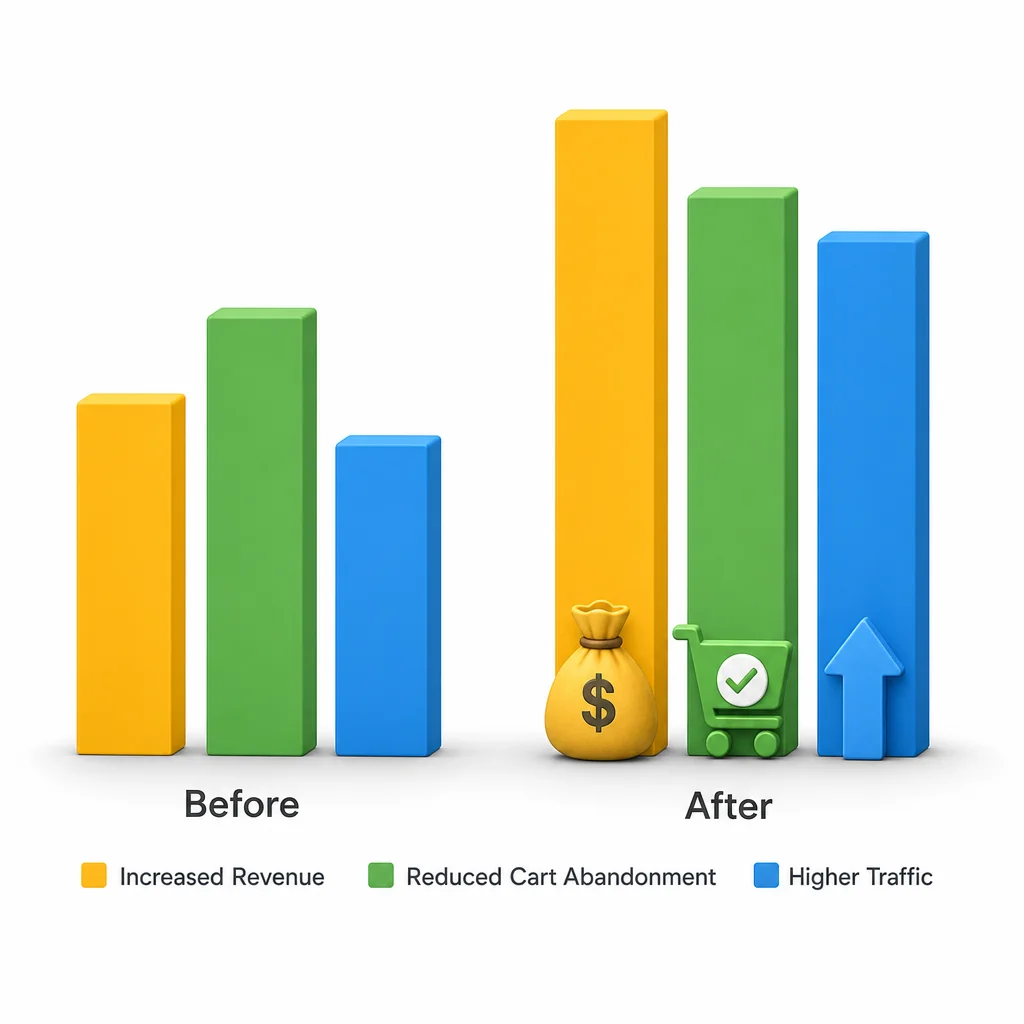
- OTA revenue rose 22% within three months. The client's target was 15%.
- ADR rose 9%, and overall RevPAR rose 13%.
- Direct booking share grew to 18%, which cut distribution costs and lifted profit margins.
Key Takeaways
- Watch the numbers weekly. A simple weekly dashboard kept the plan on track.
- Connect your systems. Removing the lag between PMS and rate tool protects price parity and revenue.
- Fit the channel mix to the hotel. Property type and market decide what works.
Frequently Asked Questions
Q: How long does it take to see OTA revenue gains?
A: Most clients see a 10-15% uplift within 45-60 days after the pricing rules and channel changes go live.
Q: Can this approach work for luxury properties?
A: Yes. The method scales. For luxury hotels, I focus on premium OTA partnerships and rate fences that match the brand.
Q: How much tech skill does my staff need?
A: Very little. I handle the setup and give you a simple dashboard to check each day, so your team can stay with guests.